

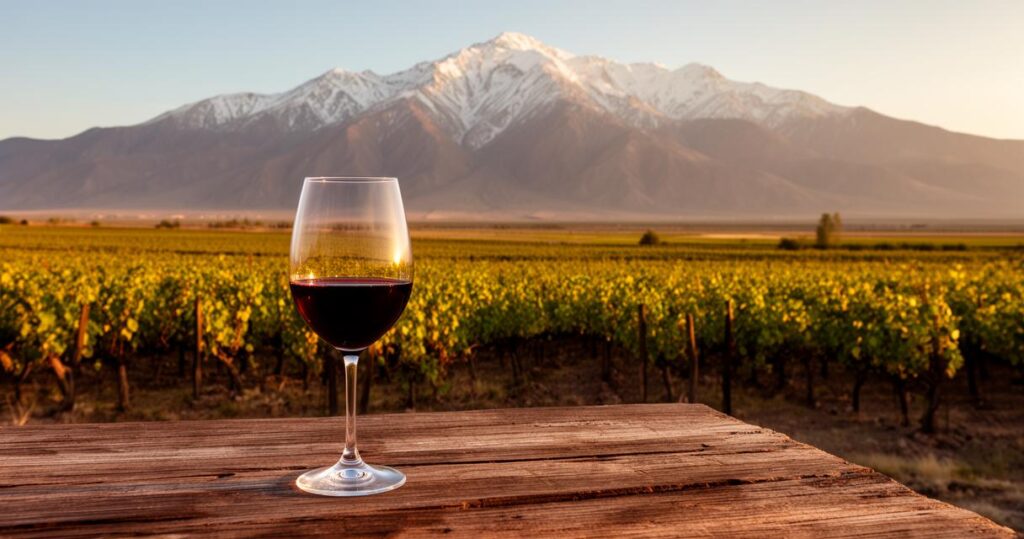
Few countries have transformed the global wine map quite like Argentina, a nation whose vineyards stretch from the sun-baked plains near Buenos Aires to the wind-swept edges of Patagonia. Its story is one of immigrants, altitude, and ambition, resulting in a wine culture that now rivals the great producing nations of Europe. To understand Argentinian wine is to understand geography, history, and grape variety all at once, woven together across a landscape as dramatic as the wines themselves.
In short
- The Argentinian wine industry was fundamentally shaped by nineteenth-century European immigrants who brought expert viticulture techniques to the region.
- High-altitude Andean foothills provide ideal conditions for winemaking, characterized by intense sunlight and cool night temperatures.
- Malbec serves as Argentina's signature red variety, known for its richness and velvety tannins, while Torrontés represents the country's prominent floral white wine.
- Beyond signature grapes, Argentina successfully cultivates diverse international varieties like Cabernet Sauvignon, Pinot Noir, and Syrah across different climates.
- Mendoza stands as the heart of Argentina's wine production, utilizing precise irrigation from Andean meltwater to create balanced, powerful wines.
- Patagonia and the Rio Negro valley offer cooler, windier terroirs that produce more delicate and acidic wines, showcasing the geographical diversity of the country.
The historical journey of argentinian viticulture
European Influence and the 19th Century Wine Boom
The roots of Argentina's wine industry stretch back to Spanish colonists, but it was the wave of European immigration during the nineteenth century that truly shaped the country's winemaking identity. Italian and French settlers brought with them not only cuttings and vines but also generations of expertise, planting the seeds of what would become a formidable industry. This period of growth coincided with the arrival of the railway, which allowed wine to travel efficiently from remote vineyards to thirsty urban markets. The result was a rapid expansion of plantings and a growing sophistication in winemaking techniques that laid the groundwork for the modern industry.
The Evolution of Wine Regions from Buenos Aires to the Andes
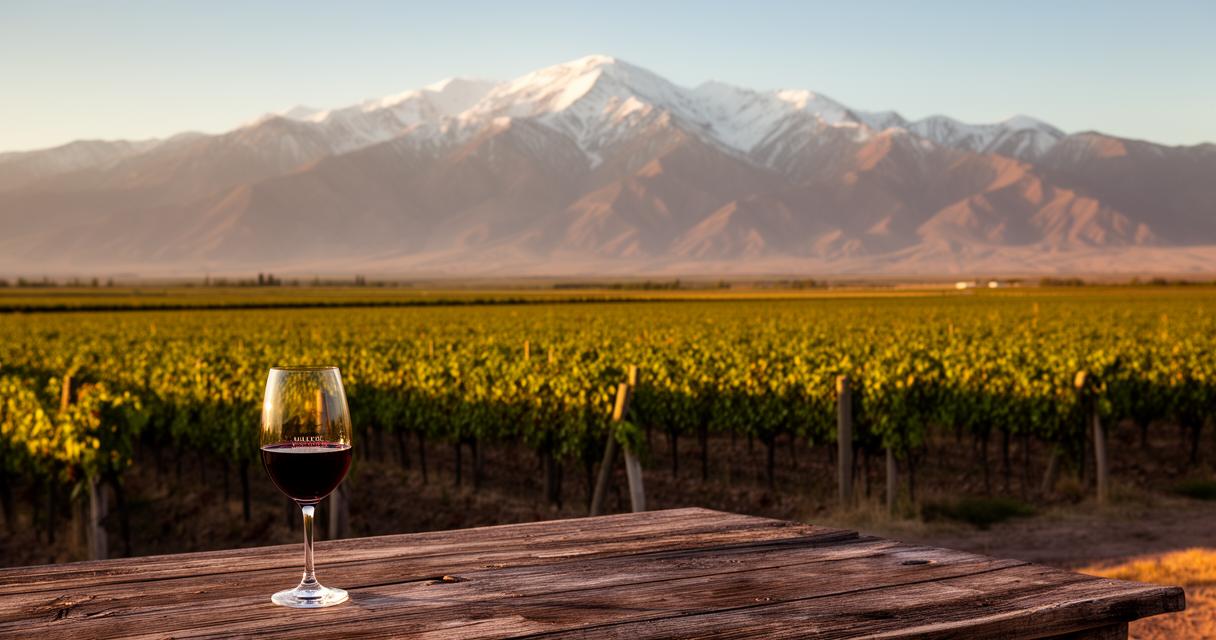
While Buenos Aires served as an early hub of trade and cultural exchange, it was the foothills of the Andes that would ultimately become the beating heart of Argentine viticulture. As settlers pushed westward, they discovered that the high-altitude desert climates near the mountains offered near-perfect conditions for grape growing, with intense sunlight balanced by cool nights. Over time, this shift transformed sleepy agricultural towns into internationally recognised wine regions. The evolution from coastal trading posts to mountain-adjacent vineyards reflects a broader story of adaptation, as growers sought out the specific conditions that would allow their grapes, and later their reputations, to flourish.
Grape varieties that define argentine wine character
Malbec and Torrontés: Argentina's Signature Red and White
No conversation about Argentine wine can avoid mentioning Malbec, the grape that has become almost synonymous with the country itself. Originally imported from France, Malbec found a second, more expressive home in Argentina's high-altitude vineyards, where it produces wines bursting with dark fruit, velvety tannins, and a distinctive richness that has captivated drinkers worldwide. On the white side, Torrontés holds a similarly important place, offering aromatic, floral wines that pair beautifully with the country's varied cuisine. Together, these two varieties form the backbone of Argentina's wine identity, showcasing both the boldness and the elegance the country's terroirs can produce.
The Diversity of Cabernet Sauvignon, Pinot Noir, and Syrah Expressions
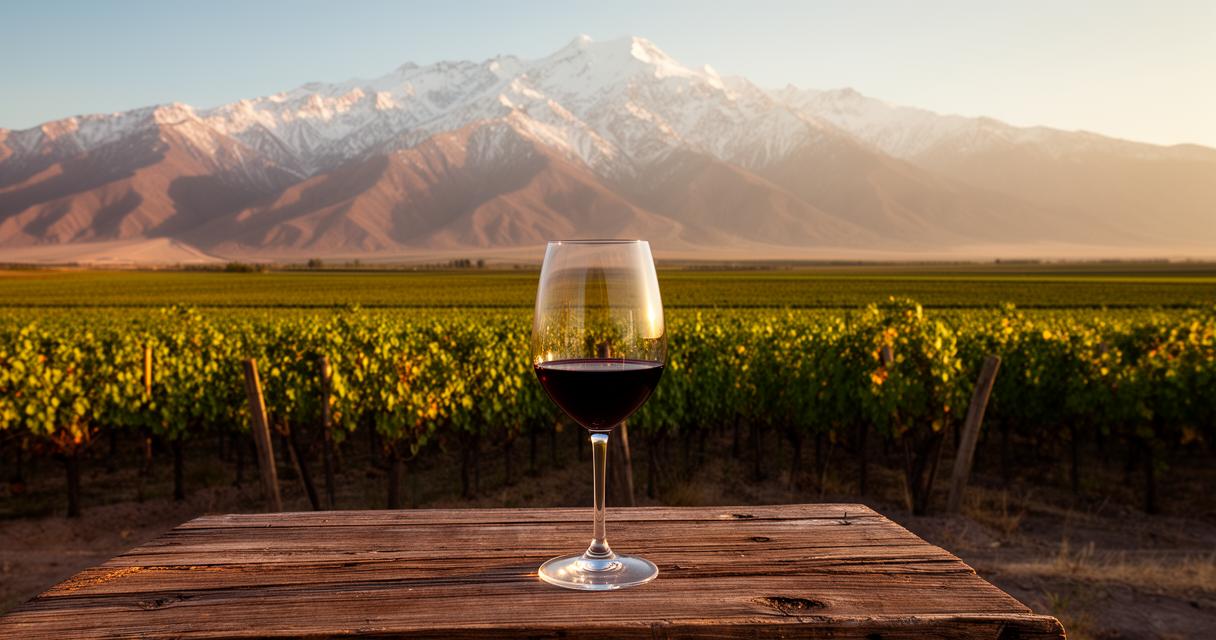
Beyond its signature grapes, Argentina has proven remarkably adept at cultivating an impressive range of international varieties. Cabernet Sauvignon thrives in the country's sun-drenched vineyards, often producing structured, age-worthy wines with firm tannins. Meanwhile, cooler pockets of land have become fertile ground for delicate Pinot Noir, particularly in southern regions where lower temperatures allow for a slower, more nuanced ripening process. Syrah, too, has found its niche, contributing spicy, robust wines that add further depth to the country's already diverse portfolio. This variety of expressions demonstrates just how adaptable Argentina's vineyards can be, shifting character dramatically depending on where the vines are planted.
Terroir and Regional Distinctiveness: From Mendoza to Patagonia
Mendoza's Altitude and Climate: The Heart of Argentine Winemaking
Mendoza remains the undisputed centre of Argentine wine production, responsible for the vast majority of the country's output and reputation. Its high-altitude vineyards, some reaching remarkable heights above sea level, benefit from intense daytime sun followed by dramatic drops in temperature at night. This diurnal shift allows grapes to develop concentrated flavours while retaining the acidity needed for balance. The region's arid climate, combined with meltwater from the Andes used for irrigation, gives winemakers precise control over vine growth, resulting in wines that are both powerful and refined. It is little wonder that Mendoza has become the benchmark against which other Argentine wine regions are often measured.
Rio negro and patagonian terroirs: crafting unique wine profiles
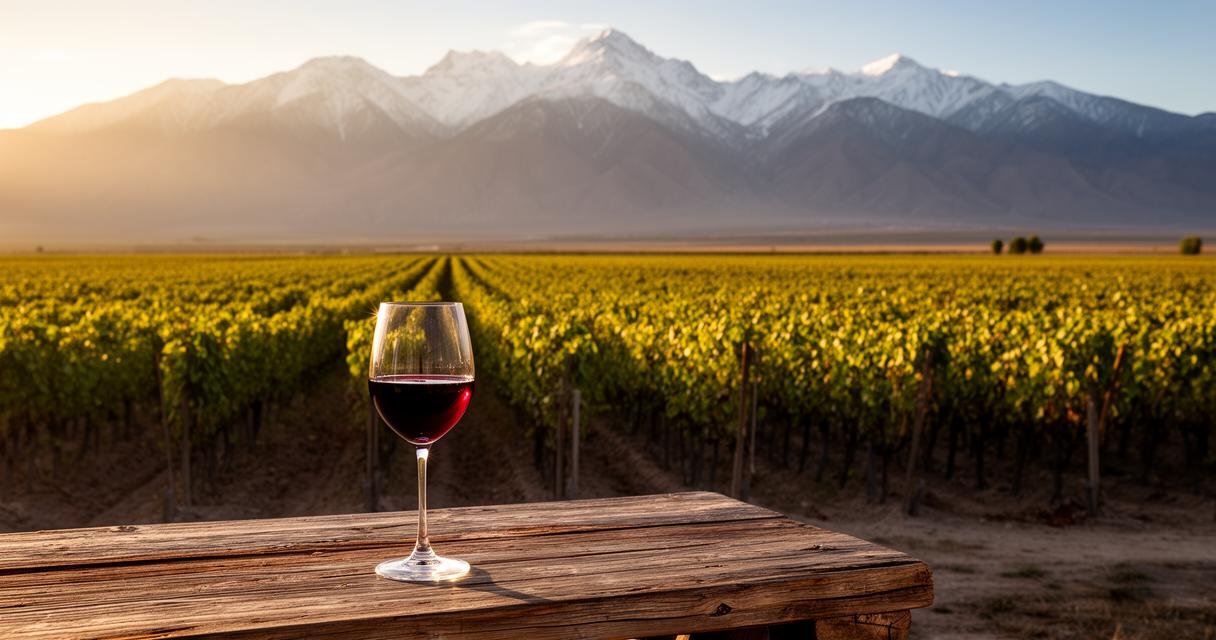
Further south, the Rio Negro valley and surrounding Patagonian landscapes offer a strikingly different winemaking environment. Here, cooler temperatures and persistent winds create conditions well suited to more delicate varieties, producing wines with brighter acidity and subtler fruit expression than their Mendoza counterparts. This contrast highlights the sheer diversity of Argentina's terroirs, proving that the country's wine story is far from one-dimensional. As producers continue to explore these southern reaches, Patagonia is increasingly recognised as a source of some of the country's most distinctive and exciting bottlings, appealing to drinkers seeking something a little different from the traditional Argentine style.
From its immigrant-driven beginnings to its current status as a global wine powerhouse, Argentina's winemaking journey reflects the extraordinary diversity of its land. Whether through the bold richness of Malbec grown high in the Andes or the delicate character of Pinot Noir cultivated near Patagonia's cooler edges, the country continues to demonstrate that great wine is as much about place as it is about grape. As enthusiasts and industry experts continue to document these developments, resources offering a detailed vintage chart or an in-depth grape guide can help curious drinkers navigate this ever-evolving landscape, deepening their appreciation for a wine culture that shows no sign of slowing down.